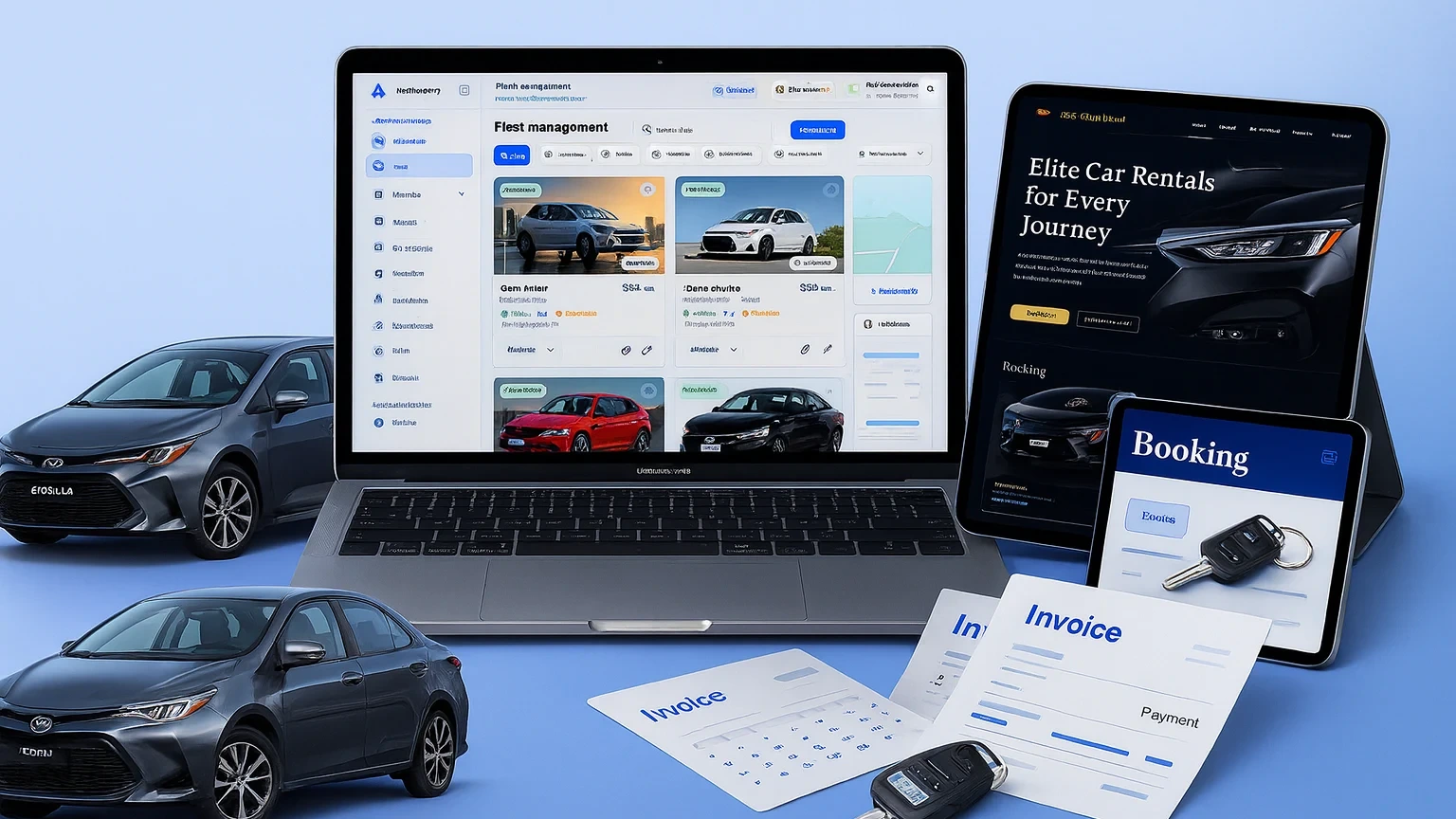
Online booking website
Turn your fleet into a branded booking experience
Publish vehicle listings, agency information, locations, and booking requests through a website connected to your operations.
Start your free trial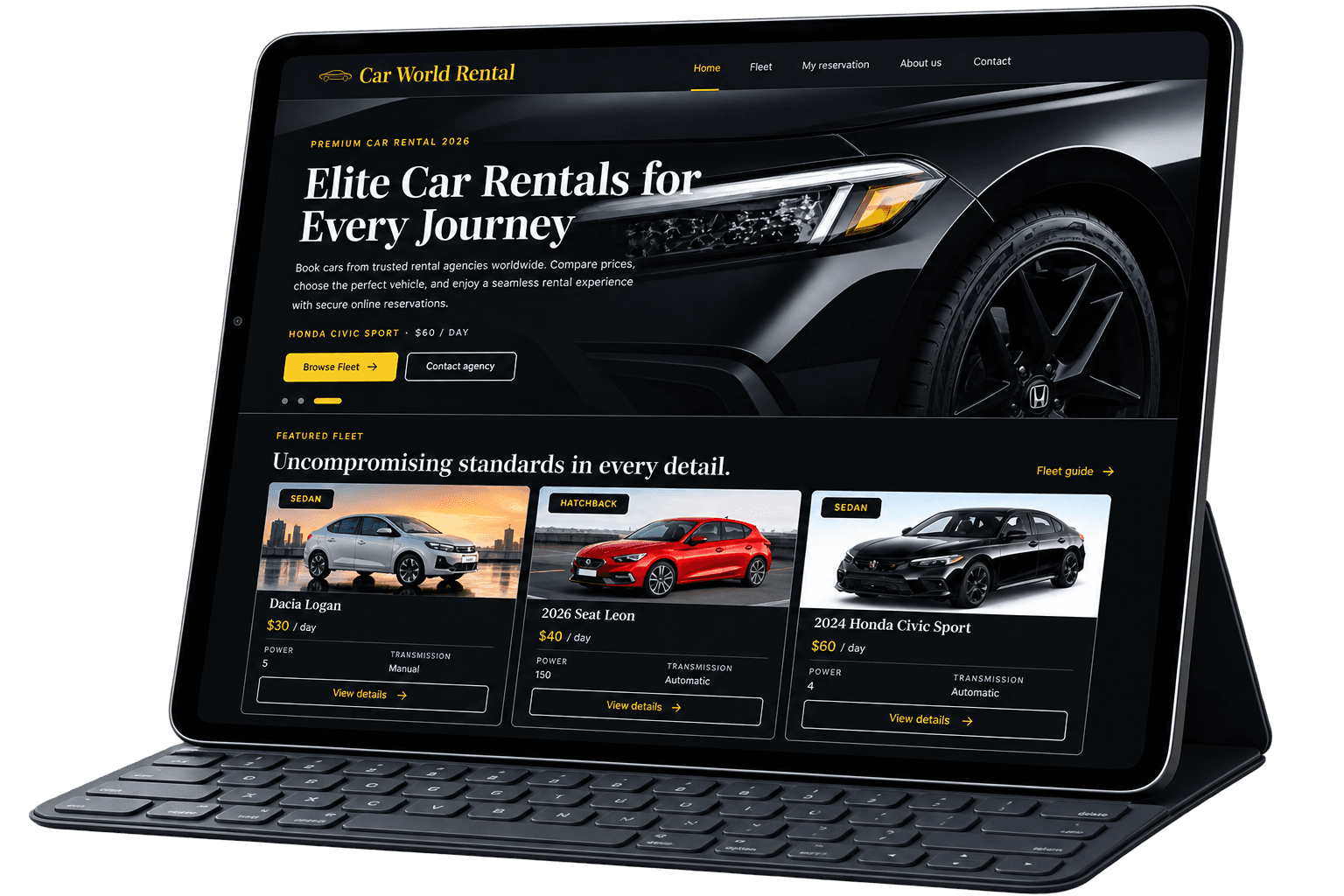
If your cars are sitting idle while competitors seem busy, you don’t have a demand problem — you have a marketing and booking journey problem. The good news: both can be fixed with clear, practical steps.
This guide walks through 20 concrete car rental marketing strategies you can actually implement, from your Google presence to your payment page. The focus is simple: turn more visitors into confirmed, paid bookings — not just more website traffic.
1. Start With Your Core Marketing Numbers
Before you try new tactics, you need a basic picture of what’s working now.
Track three simple metrics every month:
- Website visitors → bookings: How many online visits turn into confirmed reservations?
- Inquiry → booking: How many quotes or contact form requests become paid bookings?
- Repeat booking rate: How many customers rent again within 12 months?
Even a rough spreadsheet is enough. This tells you whether your main problem is awareness (not enough visitors), conversion (visitors don’t book), or retention (customers don’t return).
How AvelisseRent helps: With a branded booking website, public fleet pages, and a clear reservation flow, you can see which vehicles are getting bookings and where customers drop off in the process. That makes it much easier to test and measure marketing changes.
2. Make Your Booking Website the Center of Your Marketing
Your booking website is where marketing turns into money. Every strategy in this article should push people to a place where they can see real-time availability and book.
Make sure your website:
- Shows clear calls to action like “Check availability” and “Book now” on every page.
- Lets customers search by dates, vehicle type, and pickup location without friction.
- Explains key policies upfront (deposit, mileage, fuel, insurance basics).
- Loads quickly and works well on mobile — where many last-minute bookings happen.
How AvelisseRent helps: You can publish a branded booking site directly from your AvelisseRent account, customize content and domain settings, and keep your fleet, prices, and availability consistent between your operations and what customers see online.
3. Fix the Leaks in Your Online Booking Workflow
Many agencies invest in ads or partnerships while their booking form quietly scares customers away.
Audit your flow from first click to payment:
- Count the steps. How many clicks from homepage to payment confirmation?
- Check for surprises. Are fees or deposits revealed only at the last step?
- Test on mobile. Complete a full booking from your own phone.
- Look at forms. Do you ask for information you don’t actually use?
Remove unnecessary fields and friction wherever possible. Clearer steps and fewer surprises are some of the fastest “marketing wins” you can get.
For a deeper dive on this, see Designing a Frictionless Online Booking Workflow for Your Car Rental Agency.
4. Clarify Pricing, Deposits, and Payments Upfront
Unclear pricing is a major reason people abandon bookings or choose bigger brands. You don’t need to be the cheapest; you do need to be the clearest.
- Show a total estimated trip cost before contact details are required.
- Explain deposit rules in plain language (how much, when it’s charged, and when it’s released).
- List optional extras with prices (GPS, child seats, extra driver), not just names.
- Offer online card payments so customers can secure their booking immediately.
How AvelisseRent helps: You can configure pricing, deposits, and extras in one place, generate invoices and contracts from the same data, and accept online payments via Stripe so customers can confirm reservations right away.
5. Build a Google Business Profile That Actually Converts
For local rentals, many customers never see your homepage first — they see your Google listing.
Optimize it to send high-intent visitors to your booking website:
- Use a clear business name (brand + “Car Rental”).
- Add a direct link to your online booking page, not just your homepage.
- Upload photos of your real vehicles, office, and pickup process.
- Respond to reviews professionally and invite satisfied renters to leave feedback.
When customers can move from a Google search to an actual reservation form in two clicks, marketing campaigns perform much better.
6. Focus Your Website Content on High-Intent Searches
Instead of chasing broad topics, target searches from people who are ready to book, such as:
- “car rental near [airport/name of your area]”
- “van hire for moving [city]”
- “long term car rental [city]”
- “car rental for business travel [city]”
Create dedicated pages for each key use case or location you serve. On each page:
- Describe who it’s for and typical scenarios (e.g. contractors, expats, tourists).
- Explain what makes your offer different (fleet type, pickup flexibility, payment options).
- Add clear calls to action linking to your online booking form.
If you want a broader strategy view, see How to Grow a Car Rental Business: 15 Practical Strategies That Actually Scale.
7. Use Your Fleet Pages as a Sales Tool
Customers often decide based on specific vehicles, not just your brand. Treat every vehicle page as a mini sales page.
Each vehicle should show:
- Clear photos inside and out.
- Key details: seats, luggage capacity, transmission, fuel type.
- Typical use cases: “Great for airport runs”, “Ideal for small families”.
- Real-time availability and a prominent “Book this vehicle” button.
How AvelisseRent helps: Your public fleet page and individual vehicle pages are generated from the same fleet data you use internally. That keeps details, pricing, and availability in sync for customers and staff.
8. Reduce Abandonment With Clear Policy Communication
Many marketing problems are really policy problems that appear too late in the journey.
Publish clear, human-readable explanations for:
- Mileage limits and what happens if customers go over.
- Fuel rules and typical charges if the tank isn’t full.
- Late returns and how fees are calculated.
- Damage process and what kind of evidence you collect.
Place these explanations before payment and again in the contract. Customers who feel informed are more likely to book and return.
9. Make It Easy for Business Customers to Book and Pay
Corporate and small business clients often want reliability and paperwork more than the lowest price.
For this segment, highlight:
- Invoices with company details for expense reporting.
- Repeat renter profiles so their details aren’t re-entered every time.
- Consistent payment methods (card, invoice with terms where appropriate).
How AvelisseRent helps: You can maintain customer records, attach bookings to those customers, and generate invoices for each rental, which is especially helpful when you’re marketing to repeat business renters.
10. Capture Email Addresses Before Customers Disappear
Not everyone will book on the first visit. Capture contact details ethically so you can follow up.
Ideas that work for rental agencies:
- A simple “Get a quote by email” form.
- An abandoned quote follow-up message if someone asked for availability but didn’t confirm.
- A post-rental thank-you email with a reminder that they can book online next time.
Even a small list of local customers can be effective when you send focused, occasional offers tied to real needs (e.g. holiday weekends, seasonal moves).
11. Turn One-Time Renters Into Repeat Customers
Acquiring a new renter is usually harder than keeping an existing one. Build a simple retention workflow:
- Immediately after return: Send a polite thank-you with a link to book again.
- A few weeks later: Ask for a review and share your booking link.
- Seasonally: Email relevant customers about upcoming peak dates.
The goal isn’t constant promotion; it’s staying visible when they next need a vehicle.
12. Use Reviews as a Marketing Channel, Not Just a Score
Reviews often matter more than your ad copy. Make them part of your marketing system:
- Ask for reviews while the experience is fresh, often on the return day.
- Reply to all reviews with specific, professional responses.
- Highlight reviews that mention smooth pickup, clear pricing, or easy online booking.
You can quote short parts of your best reviews on your booking website, especially near your booking and payment sections.
13. Partner With Local Businesses and Travel Providers
Local partnerships can bring steady demand with relatively low effort.
Consider agreements with:
- Hotels and guest houses that don’t have their own fleet.
- Real estate agencies with relocating clients.
- Event venues with guests needing transport.
Provide partners with a unique link to your booking website and simple instructions for their staff. When your booking flow is straightforward, partners are more willing to recommend you.
14. Use Social Media to Answer Real Booking Questions
Social media usually works best for car rental when it focuses on practical information, not just promotions.
Post content like:
- “How pickup works at our airport location.”
- “What you need to bring when collecting your rental.”
- “Weekend availability update for [dates].”
Each post should include a natural link back to your online booking page so interested followers can act immediately.
15. Track Which Vehicles and Extras Sell Themselves
Not all fleet categories market themselves equally. Use your data to see what people are drawn to.
Monitor:
- Which vehicle categories (compact, SUV, van) get the most page views and bookings.
- Which extras are frequently selected together with certain vehicles.
- Which rental durations (daily, weekly, monthly) are most common.
How AvelisseRent helps: Built-in analytics give you a view of bookings by vehicle and period. You can use that information to highlight popular options on your fleet page and refine your marketing messages.
16. Use Simple Promotions During Slow Periods
Instead of constant discounts, use targeted offers when you need to lift utilization.
Examples of time-bound promotions:
- Weekend specials for specific vehicle categories.
- Early-week discounts when demand is usually lower.
- Long-term rental incentives for bookings over a certain number of days.
Always make sure your booking system reflects the same pricing rules you promote externally, to avoid disputes.
17. Make Your Contracts and Invoices Part of the Experience
Customers judge your professionalism by your documents as much as your office. Well-structured contracts and invoices reduce disputes, which in turn improves reviews and repeat business.
Check that your documents:
- Use plain language where possible, especially for key conditions.
- Match the prices and policies shown during online booking.
- Include your website URL so customers know where to book next time.
How AvelisseRent helps: You can generate contracts and invoices from the same booking data used online, reducing the chance of mismatched information between marketing promises and actual terms.
18. Improve Your Airport and Pickup Experience Messaging
Airport renters often worry about finding the car and returning it on time more than about the daily rate.
Use your website and emails to explain:
- Exactly where to go when they land (parking, shuttle, desk).
- How long handover usually takes when documents are in order.
- What happens on return if they hit unexpected traffic or delays.
Clear pickup and return information reduces pre-trip anxiety and supports conversion when customers are comparing you with bigger brands.
19. Test One Paid Channel at a Time
If you decide to use paid ads, keep it controlled and measurable:
- Start with one clear campaign (e.g. “Airport car rental [city]”).
- Send traffic to a matching landing page with that exact offer.
- Measure cost per booking, not just clicks or impressions.
Only expand to new keywords or platforms once you know a specific combination of ad + page is profitable.
20. Standardize How Your Team Handles Inquiries
Marketing doesn’t stop when the phone rings or a message arrives. Your team’s responses can either confirm the booking or push the customer back to searching.
Create short scripts or checklists for:
- Phone inquiries about availability and price.
- Email or form quotes, including how long the price is valid.
- Follow-up if the customer doesn’t confirm within an agreed time.
Where possible, point customers directly to your online booking page so they can see vehicles, choose extras, and pay their deposit securely.
Putting It All Together
Car rental marketing works best when your promotions, website, booking workflow, and payment process all support the same goal: making it easy and low-risk for customers to reserve the right vehicle.
A simple way to organize your efforts:
- Fix the funnel: Clean up your booking website, forms, and payment clarity.
- Clarify your offer: Define who you serve best and which vehicles to highlight.
- Boost visibility: Optimize Google Business Profile and create focused pages for key use cases.
- Build trust: Improve reviews, policies, and communication before and after rental.
- Measure and refine: Track visits, conversions, and repeat bookings monthly.
With that structure in place, every new marketing tactic has a better chance of ending in a confirmed booking, not just extra website traffic.
Frequently Asked Questions
What is the most effective car rental marketing strategy for a small agency?
For many small agencies, the highest impact combination is a strong Google Business Profile, a clear online booking website, and excellent reviews. Together, these meet customers at the moment they search, give them confidence, and let them book immediately.
How can I get more direct bookings instead of relying on intermediaries?
Make your own website and booking flow as easy as (or easier than) the platforms you list on. Offer real-time availability, online payment, and clear pricing. Promote your website link in all communication, on your vehicles, and through local partners so customers know they can book with you directly.
How important is online payment for my marketing?
Online payment is a strong trust signal and reduces friction. When customers can pay a deposit or full amount securely, they feel their booking is confirmed and are less likely to keep shopping around. It also shortens the time between interest and commitment.
Should I discount heavily to compete with larger brands?
Heavy discounting can damage profitability and is hard to sustain. Many renters choose agencies based on clarity, convenience, and reviews rather than the very lowest price. Use targeted, time-limited offers instead, and focus your marketing on the strengths bigger brands struggle to match, such as flexibility and personal service.
How do I measure if my car rental marketing is working?
Track a few core numbers monthly: website visitors, online bookings, inquiry-to-booking conversion, and repeat booking rate. If visitors are rising but bookings are not, focus on your booking workflow and payment clarity. If bookings are growing but profit is not, review your pricing, extras, and utilization.
What role does my booking system play in marketing?
Your booking system is the bridge between interest and revenue. It controls what customers see, how easy it is to book, how deposits and payments are handled, and how accurate your fleet availability appears. A good system supports every marketing channel by keeping information consistent and the path to payment short.
Related AvelisseRent Guides
- Designing a Frictionless Online Booking Workflow for Your Car Rental Agency
- Building a Consistently Great Car Rental Experience From First Click to Final Invoice
- How to Grow a Car Rental Business: 15 Practical Strategies That Actually Scale
Related Articles
- Car Rental Booking Software: Complete Guide for Rental Companies
- How to Automate Your Car Rental Business in 2026
- How to Fix the Most Common Customer Experience Gaps in Your Car Rental Agency
Manage Your Rental Business With AvelisseRent
If you want your marketing to end in confirmed, paid bookings instead of manual back-and-forth, you need a booking and payment system that customers actually enjoy using.
AvelisseRent gives you a branded booking website, public fleet pages, clear reservation and contract workflows, Stripe-powered online payments, and built-in analytics — all designed around how real agencies operate.
If you’re ready to turn more of your marketing into reliable revenue, you can try AvelisseRent free and see how it fits your rental business.

Mohamed Elazzabi
Founder & CEO of Avelisse Labs LLC | SaaS & App Developer | Content Creator
I'm Mohamed Elazzabi, Founder and CEO of Avelisse Labs LLC Launching AvelisseRent SaaS platform built to help car rental businesses simplify and automate their daily operations. I create content about car rental business growth, digital transformation, automation, SaaS, and technology, sharing practical ideas to help rental agencies work smarter, reduce manual tasks, improve customer experience, and grow their business. Building smarter tools for modern car rental businesses.